
 01
The Color of Pomegranates
Why this pick
Its ceremonial compositions, sparse dialogue and icon-like imagery create a similarly hypnotic encounter with history, identity and inherited cultural memory.
 cinehunch
 A FILM WORTH A CLOSER LOOK
THE FEATURE PRESENTATION
IF THIS ONE STAYED WITH YOU
Keep the feeling.
SIMILAR PICKS / A PERSONAL CONNECTION
01
Why this pick
Its ceremonial compositions, sparse dialogue and icon-like imagery create a similarly hypnotic encounter with history, identity and inherited cultural memory.
 02
Why this pick
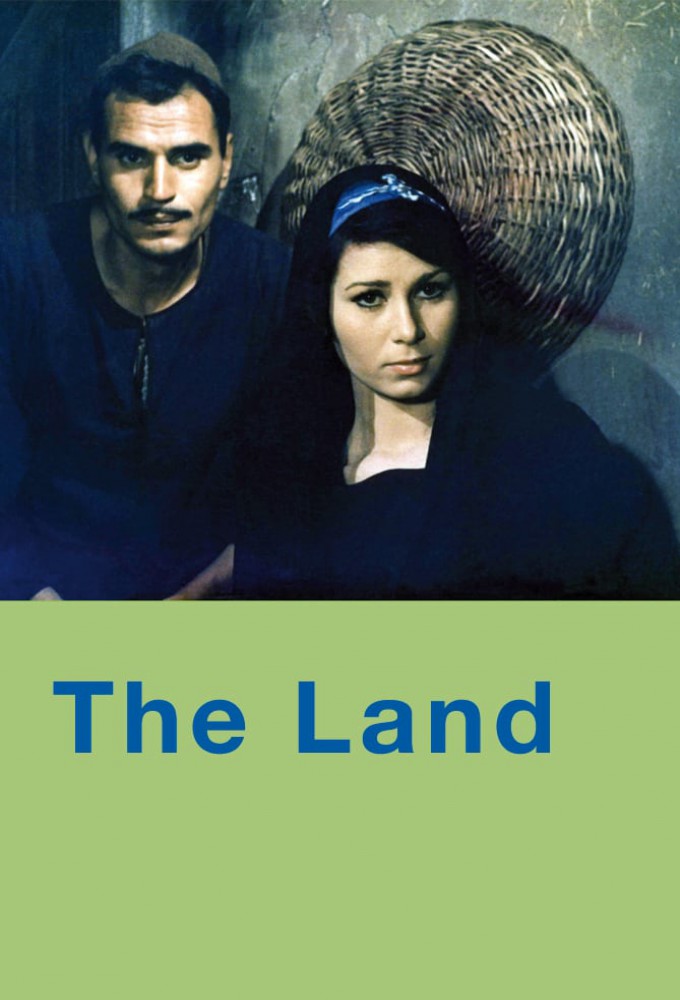
Another finely observed Egyptian period drama, it combines rural textures and collective ritual with a growing moral and political pressure on its villagers.
 03
Why this pick
Its patient, elemental portrait of North African village life similarly connects private lives, colonial history and an awakening sense of collective responsibility.
 04
Why this pick
This formally composed historical drama shares the original’s grave, observant mood and its concern with a community confronting external power and the fate of its traditions.
 05
Why this pick
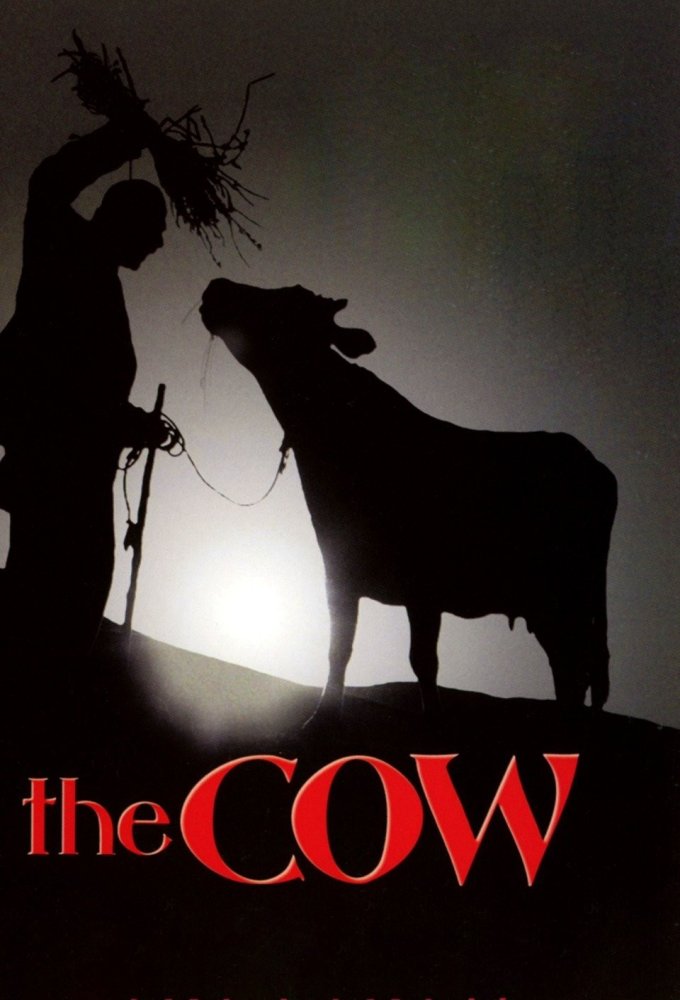
Its austere village setting, mythic undertones and intense attention to communal codes make it a powerful companion for the Egyptian film’s anthropological gravity.
Finding the atmosphere, tension and little details that made this one stay with you.
Our curator needs a little longer. Please come back shortly.
No confident matches yet. Try our personal film finder.
01 / THE STORY
Set in 1881, a year before the start of History of modern Egypt#British administration, it is based on the true story of the Abd el-Rasuls, an Sa'idi people clan that had been robbing a Treasure trove of mummies they have discovered at tomb DB320 near the village of Kurna, and selling the artefacts on the illicit antiquities. After a conflict within the clan, one of its members goes to the police, helping the Antiquities Service find the cache.
02 / FACES IN THE FRAME

First cousin