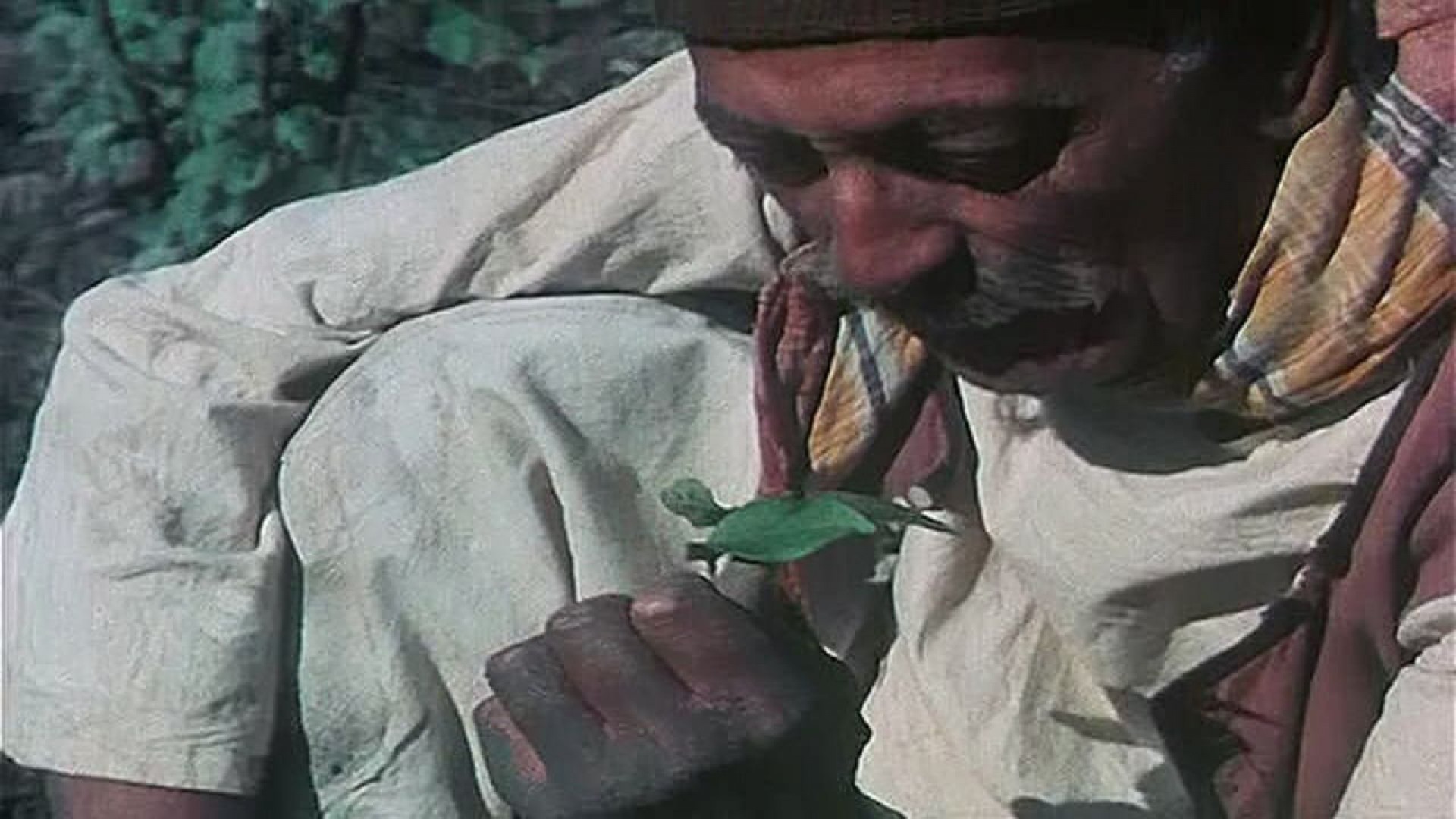
 01
The Second Wife
Why this pick
A sharply observed rural parable of power abused by a local authority, with communal pressure, earthy detail, and a similarly forceful critique of feudal injustice.
 cinehunch
 A FILM WORTH A CLOSER LOOK
THE FEATURE PRESENTATION
IF THIS ONE STAYED WITH YOU
Keep the feeling.
SIMILAR PICKS / A PERSONAL CONNECTION
01
Why this pick
A sharply observed rural parable of power abused by a local authority, with communal pressure, earthy detail, and a similarly forceful critique of feudal injustice.
 02
Why this pick
Chahine again turns personal struggle into a larger portrait of systemic corruption, sustaining The Land’s urgent political anger and commitment to ordinary people.
 03
Why this pick
Its sweeping, elemental depiction of Algerian peasants under colonial exploitation matches The Land’s collective spirit, social conscience, and tragic sense of history pressing on rural lives.
 04
Why this pick
Less overtly agitational but equally rooted in Egyptian land and heritage, its austere imagery and conflict between survival and collective legacy echo The Land’s grave moral weight.
 05
Why this pick
A turbulent family drama set against village life and failed revolutionary hopes, carrying Chahine’s lyrical visual energy and The Land’s concern for frustrated collective change.
Finding the atmosphere, tension and little details that made this one stay with you.
Our curator needs a little longer. Please come back shortly.
No confident matches yet. Try our personal film finder.
01 / THE STORY
Set in 1933, the mayor informs the peasants that the share of irrigation of their land will be split equally between them and feudal lord Mahmoud Bey. The peasants send Muhammad Effendi to submit a petition to the government. Then Mahmoud Bey proposes a project that would require taking part of the peasants' lands.