
 01
Sisters of the Gion
Why this pick
Mizoguchi’s equally incisive portrait of Kyoto’s pleasure-quarter economy pairs elegant visual restraint with two women facing sharply different survival strategies.
 cinehunch
 A FILM WORTH A CLOSER LOOK
THE FEATURE PRESENTATION
IF THIS ONE STAYED WITH YOU
Keep the feeling.
SIMILAR PICKS / A PERSONAL CONNECTION
01
Why this pick
Mizoguchi’s equally incisive portrait of Kyoto’s pleasure-quarter economy pairs elegant visual restraint with two women facing sharply different survival strategies.
 02
Why this pick
Its measured, mournful storytelling and exquisitely composed period world extend the same compassionate attention to a woman constrained by men, money, and social rank.
 03
Why this pick
More immediate and postwar in texture, but driven by the same unsentimental empathy for women negotiating economic precarity and male exploitation.
 04
Why this pick
Naruse gives a similarly poised, interior view of a hostess weighing dignity against financial necessity, with restrained emotion rather than melodrama.
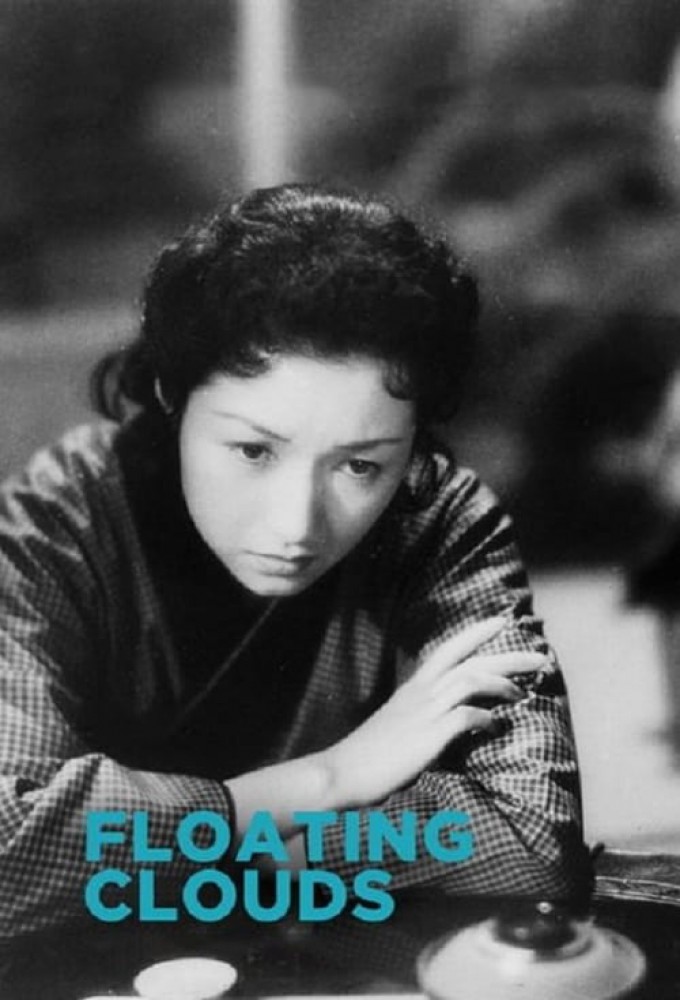 05
Why this pick
Its patient pacing and muted visual elegance make room for a painful, intimate study of dependency, disappointment, and a woman’s difficult self-possession.
Finding the atmosphere, tension and little details that made this one stay with you.
Our curator needs a little longer. Please come back shortly.
No confident matches yet. Try our personal film finder.
01 / THE STORY
Eiko is in the search of the ''okiya'' run by the geisha Miyoharu. As she approaches the screen doors, she witnesses an exchange between Miyoharu and a client. The client, greatly indebted and unable to afford Miyoharu's services, is coldly and mockingly berated by Miyoharu for his presumptuousness. Enraged by the sudden demise of her affected desire for him and her mercenary attitude.
Showing saved details. Some information may be out of date.