
 01
The Long Excuse
Why this pick
Like The Little House, it finds immense feeling in domestic routines and memory, using a restrained, compassionate Japanese drama style to observe how ordinary care reshapes a life.
 cinehunch
 A FILM WORTH A CLOSER LOOK
THE FEATURE PRESENTATION
IF THIS ONE STAYED WITH YOU
Keep the feeling.
SIMILAR PICKS / A PERSONAL CONNECTION
01
Why this pick
Like The Little House, it finds immense feeling in domestic routines and memory, using a restrained, compassionate Japanese drama style to observe how ordinary care reshapes a life.
 02
Why this pick
Its patient pace, natural light, and quietly observant attention to an elderly person’s memories echo The Little House’s reflective, intimate treatment of time and loss.
 03
Why this pick
A gentle, tactile drama about work, intergenerational companionship, and unspoken pasts; its humane attention to everyday ritual suits The Little House’s tender, nostalgic mood.
 04
Why this pick
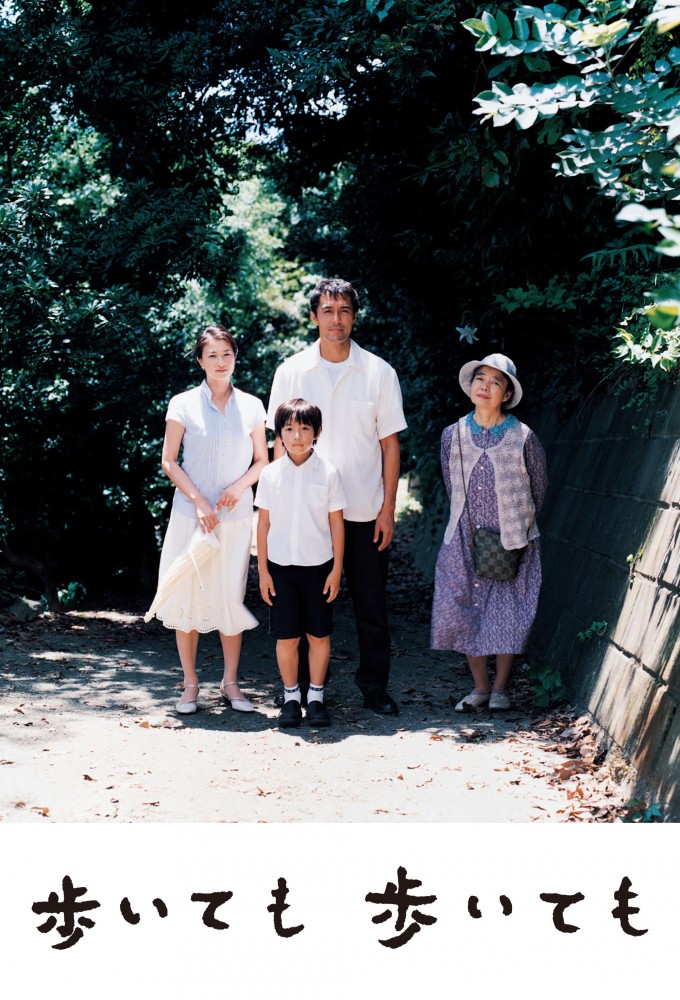
Its family gathering unfolds through meals, pauses, and old grievances rather than plot turns, matching The Little House’s subtle emotional accumulation and domestic detail.
 05
Why this pick
Another period Japanese drama where household labor becomes emotionally expressive, with warm period texture and a woman’s resourcefulness at the center rather than grand historical spectacle.
Finding the atmosphere, tension and little details that made this one stay with you.
Our curator needs a little longer. Please come back shortly.
No confident matches yet. Try our personal film finder.
01 / THE STORY
The film is set in the 1930s and 1940s in Japan. It is narrated from the memoirs of Taki Nunomiya as an old woman. In 1930, she left Yamagata for Tokyo as an indentured servant to work as a housemaid.
Showing saved details. Some information may be out of date.
02 / FACES IN THE FRAME

Taki Nunomiya


Takeshi

