Assassination
Why this pick
Shares the Japanese-occupation setting, patriotic sorrow, and lavish period scale, while following characters whose personal loyalties are tested by Korea’s struggle for self-determination.
A FILM WORTH A CLOSER LOOKTHE FEATURE PRESENTATION
IF THIS ONE STAYED WITH YOU
Keep the feeling.
SIMILAR PICKS / A PERSONAL CONNECTION
Why this pick
Shares the Japanese-occupation setting, patriotic sorrow, and lavish period scale, while following characters whose personal loyalties are tested by Korea’s struggle for self-determination.
Why this pick
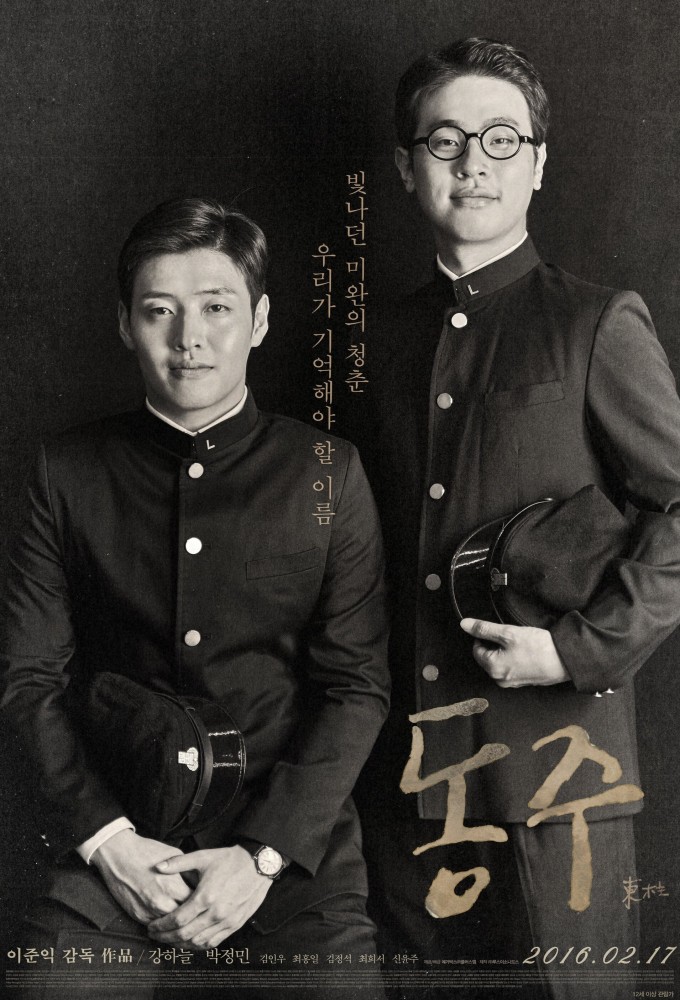
A restrained, elegiac companion set under colonial rule, finding quiet emotional force in a sensitive young man’s conscience, friendship, and longing for Korean identity.
Why this pick
Its intimate focus on a young Korean independence activist carries the same dignified grief and determination, emphasizing endurance under Japanese occupation rather than battlefield spectacle.
Why this pick
For the film’s refined 1930s visual world and tragic female-centered melodrama: two singers’ ambitions and bond unfold against the pressures of Japanese-occupied Korea.
Why this pick
It offers similarly polished colonial-era production design and Korean resistance stakes, but with a more suspenseful, morally tense espionage structure.
Finding the atmosphere, tension and little details that made this one stay with you.
Our curator needs a little longer. Please come back shortly.
No confident matches yet. Try our personal film finder.
01 / THE STORY
In 1925, Korea is Korea under Japanese rule, and 13-year-old Princess Deokhye – the last princess of the Joseon Dynasty – is forced to move to Japan to attend school there. She misses her home, and after she finishes school she makes several attempts to return, but is prevented by pro-Japanese general Han Taek-soo. One day, she is reunited with her childhood friend, Kim Jang-han, an officer in the Imperial Japanese Army who is also part of the Korean independence movement. Kim plans a secret operation to move Deokhye and her brother Yi Un to Shanghai, site of the Provisional Government of the Republic of Korea. This attempt fails after Han Taek-soo discovers the plan, and Deokhye and Kim are separated, losing contact with each other. She is forced to marry Count Takeyuki So in 1931, and develops schizophrenia after giving birth to their daughter the following year. Kim becomes a newspaper reporter and eventually finds Deokhye in a Japanese mental hospital, decades after they were separated. He then persuades the Government of South Korea to allow her in the country, and in 1962, Deokhye is finally able to return to her homeland.
Showing saved details. Some information may be out of date.
02 / FACES IN THE FRAME

Princess Deokhye

Bok-soon

Yang Gwi-in

Lee Bang-ja

Park Joo-Ok

teen Deokhye

Han Taek-soo

Jang-han