
 01
The Zone of Interest
Why this pick
Like Son of Saul, it makes atrocity palpable through precisely controlled sound and framing, refusing spectacle while exposing the routine machinery surrounding mass murder.
 cinehunch
 A FILM WORTH A CLOSER LOOK
THE FEATURE PRESENTATION
IF THIS ONE STAYED WITH YOU
Keep the feeling.
SIMILAR PICKS / A PERSONAL CONNECTION
01
Why this pick
Like Son of Saul, it makes atrocity palpable through precisely controlled sound and framing, refusing spectacle while exposing the routine machinery surrounding mass murder.
 02
Why this pick
A severe, immersive wartime ordeal whose close attention to faces, physical suffering, and impossible moral choices echoes Nemes’s spiritual intensity.
 03
Why this pick
Its subjective camera and devastating sensory design place you inside a young man’s disintegrating experience of Nazi violence, with similarly unflinching moral force.
 04
Why this pick
Also set among Auschwitz Sonderkommando prisoners, it confronts survival, revolt, and compromised choices with a harsh, unsentimental intensity.
 05
Why this pick
Its stark monochrome imagery and episodic descent through wartime brutality share Son of Saul’s refusal to soften historical horror or offer easy consolation.
Finding the atmosphere, tension and little details that made this one stay with you.
Our curator needs a little longer. Please come back shortly.
No confident matches yet. Try our personal film finder.
01 / THE STORY
In October 1944, Saul Ausländer (Géza Röhrig) works as a ''Sonderkommando'' Hungarian-Jewish prisoner in Auschwitz concentration camp. His job is to salvage valuables from the clothing of the dead, drag bodies from the gas chambers and scrub the chambers before the next group arrives to be gassed. He works stoically, seemingly having been numbed by the daily horrors. One day following the gassing, he finds a boy who survived the gas, but is unconscious. From a distance, Saul witnesses a Nazi physician check vital signs, then methodically suffocates the boy and calls for an autopsy. Saul steps forth and insists on carrying the body himself to the prison doctor, Miklós (Sándor Zsótér), a fellow Hungarian prisoner and a forced assistant to Josef Mengele. He asks Miklós to not perform the autopsy so he can give the boy a proper Jewish burial. Miklós declines his plea, but allows him time alone with the boy before the autopsy and subsequent cremation. Saul returns later and steals the boys body and goes in search of a Rabbi to perform the ritual. He goes to Rabbi Frankel () in the crematorium, who dismisses Saul's concern and suggests that Saul perform the burial himself.
Showing saved details. Some information may be out of date.
02 / FACES IN THE FRAME
Abraham
Biedermann
Feigenbaum
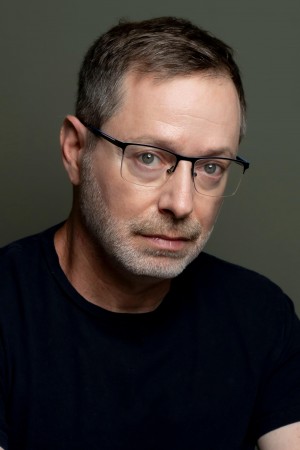
Hirsch
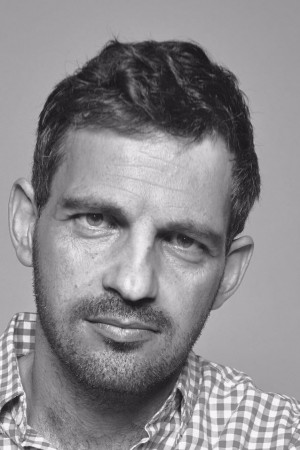
Saul Auslander