
 01
Samurai Assassin
Why this pick
Its tightly wound clan conspiracy, shifting loyalties and fatalistic momentum echo Samurai Spy’s vision of samurai caught in political machinery beyond their control.
 cinehunch
 A FILM WORTH A CLOSER LOOK
THE FEATURE PRESENTATION
IF THIS ONE STAYED WITH YOU
Keep the feeling.
SIMILAR PICKS / A PERSONAL CONNECTION
01
Why this pick
Its tightly wound clan conspiracy, shifting loyalties and fatalistic momentum echo Samurai Spy’s vision of samurai caught in political machinery beyond their control.
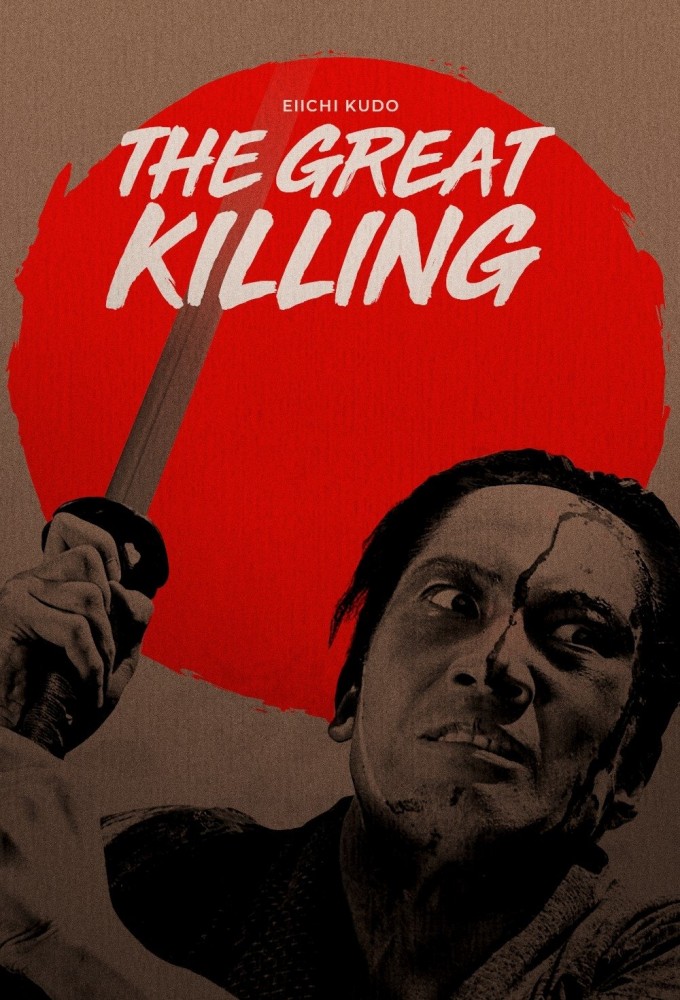 02
Why this pick
A richly plotted period thriller driven by covert missions, rival power blocs and increasingly precarious trust, with the same unsentimental tension around service and survival.
 03
Why this pick
Shinoda brings Samurai Spy’s restless modernist energy to an earlier political assassination tale, emphasizing ideological conflict, paranoia and an individual adrift amid factional violence.
 04
Why this pick
Its lean black-and-white style and morally pressured ronin create a similarly severe, tense chamber of shifting alliances rather than a straightforward swordplay adventure.
 05
Why this pick
A controlled, visually precise period drama in which personal conscience clashes with feudal authority, building indignation and suspense with the same grave anti-systemic force.
Finding the atmosphere, tension and little details that made this one stay with you.
Our curator needs a little longer. Please come back shortly.
No confident matches yet. Try our personal film finder.
01 / THE STORY
It is set in the period between the Battle of Sekigahara in 1600 and the Siege of Osaka in 1614. Years of warfare end in a Japan unified under the Tokugawa shogunate, but the peace is threatened. It follows Sarutobi Sasuke (Kōji Takahashi), a spy for the Sanada Masayuki. Sasuke, tired of conflict, longs for peace. When a high-ranking spy named Tatewaki Koriyama defects from the shogun to a rival clan, Sasuke is caught between two rival groups of spies, those working for the Tokugawa Shogunate and those supporting the Toyotomi Hideyoshi. Tokugawa Ieyasu's clan was in the strategically superior position after having won the Battle of Sekigahara but had engendered much hatred among samurai who had become rōnin after the Battle.
Showing saved details. Some information may be out of date.
02 / FACES IN THE FRAME