
 01
Kuroneko
Why this pick
Shindô’s eerie companion piece shares Onibaba’s folkloric dread, elemental black-and-white imagery, and sensual tension, turning medieval hardship into a poised, haunting ghost story.
 cinehunch
 A FILM WORTH A CLOSER LOOK
THE FEATURE PRESENTATION
IF THIS ONE STAYED WITH YOU
Keep the feeling.
SIMILAR PICKS / A PERSONAL CONNECTION
01
Why this pick
Shindô’s eerie companion piece shares Onibaba’s folkloric dread, elemental black-and-white imagery, and sensual tension, turning medieval hardship into a poised, haunting ghost story.
 02
Why this pick
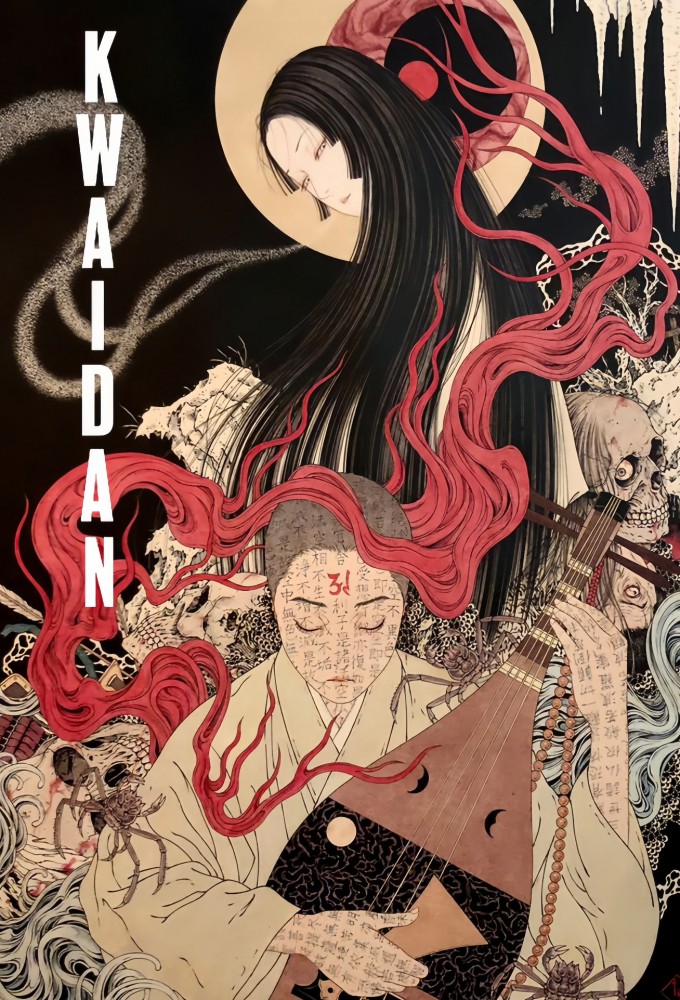
For the same encounter between Japanese folklore and grave beauty: its patient, ritualistic supernatural tales build unease through stylised colour, sound, and fatalistic atmosphere.
 03
Why this pick
Like Onibaba, it traps desire and survival inside an unforgiving landscape, using tactile imagery and a spare, escalating situation to create near-mythic anxiety.
 04
Why this pick
Its severe black-and-white violence and bleak fatalism offer a similarly unsentimental vision of feudal Japan, where human cruelty seems inseparable from the surrounding darkness.
 05
Why this pick
This feverish Buddhist horror shares Onibaba’s moral darkness and period-inflected dread, but pushes its visions of guilt and punishment into more overtly surreal territory.
Finding the atmosphere, tension and little details that made this one stay with you.
Our curator needs a little longer. Please come back shortly.
No confident matches yet. Try our personal film finder.
01 / THE STORY
The film is set somewhere in Japan, in the mid-fourteenth century during a period of civil war.
Showing saved details. Some information may be out of date.
02 / FACES IN THE FRAME

Woman
Young Woman

Hachi

The Samurai

Ushi
Runaway Warrior
Runaway Warrior
Old Woman