The Color of Pomegranates
Why this pick
Like Pasolini’s Medea, it transforms ancient cultural memory into dense, ritualistic tableaux, using symbolic images, costumes, music, and deliberate theatricality rather than conventional storytelling.
A FILM WORTH A CLOSER LOOKTHE FEATURE PRESENTATION
IF THIS ONE STAYED WITH YOU
Keep the feeling.
SIMILAR PICKS / A PERSONAL CONNECTION
Why this pick
Like Pasolini’s Medea, it transforms ancient cultural memory into dense, ritualistic tableaux, using symbolic images, costumes, music, and deliberate theatricality rather than conventional storytelling.
Why this pick
Its ceremonial imagery, sacrilegious pageantry, and boldly artificial visual world extend Medea’s taste for mythic ritual and confrontational symbolism, in a more surreal register.
Why this pick
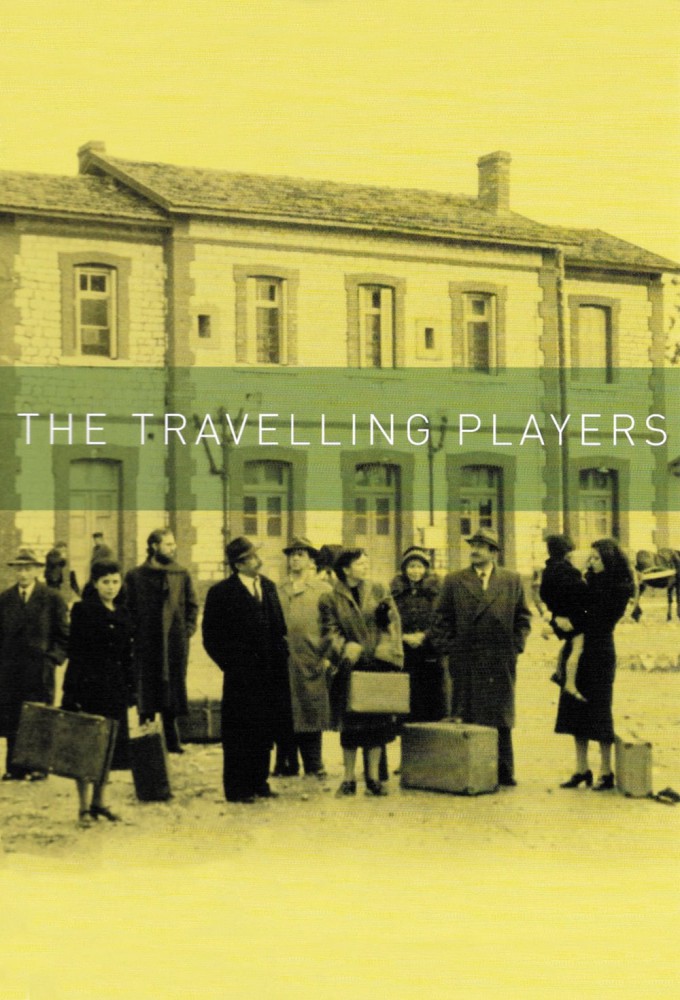
Angelopoulos recasts Greek myth inside modern history with an austere, processional rhythm and formal compositions, preserving the tragic weight and cultural estrangement of Medea.
Why this pick
Another Pasolini reimagining of Greek tragedy, with primordial landscapes, non-naturalistic performance, and anachronistic ritual details that make antiquity feel strange and immediate.
Why this pick
Its harsh landscapes, folk-religious intensity, stylized violence, and elemental characters share Medea’s sense of myth erupting through a raw, anti-naturalistic world.
Finding the atmosphere, tension and little details that made this one stay with you.
Our curator needs a little longer. Please come back shortly.
No confident matches yet. Try our personal film finder.
01 / THE STORY
The first half sums up the story of Jason and the Argonauts as they travel to Medea's foreign land in search of the golden fleece. In fitting with the soundtrack (which features Iranian classic music, Japanese traditional music and other folklore pieces), Pasolini depicts Medea's people as a tribal people who perform rituals and sacrifices to secure their harvests. Their costumes and dances are based on those of Eastern European Mummers such as the Romanian Calusari ceremonies and their counterparts in the Balkans.
02 / FACES IN THE FRAME
King Kresus / Creonte
Pelias