
 01
The King Is Dancing
Why this pick
Corbiau again stages music as power, spectacle and personal obsession, in lavish courtly spaces and with the same heightened historical sensuality.
 cinehunch
 A FILM WORTH A CLOSER LOOK
THE FEATURE PRESENTATION
IF THIS ONE STAYED WITH YOU
Keep the feeling.
SIMILAR PICKS / A PERSONAL CONNECTION
01
Why this pick
Corbiau again stages music as power, spectacle and personal obsession, in lavish courtly spaces and with the same heightened historical sensuality.
 02
Why this pick
It shares Farinelli’s fascination with the public ecstasy and private cost of extraordinary musical celebrity, rendered as an ornate period melodrama.
 03
Why this pick
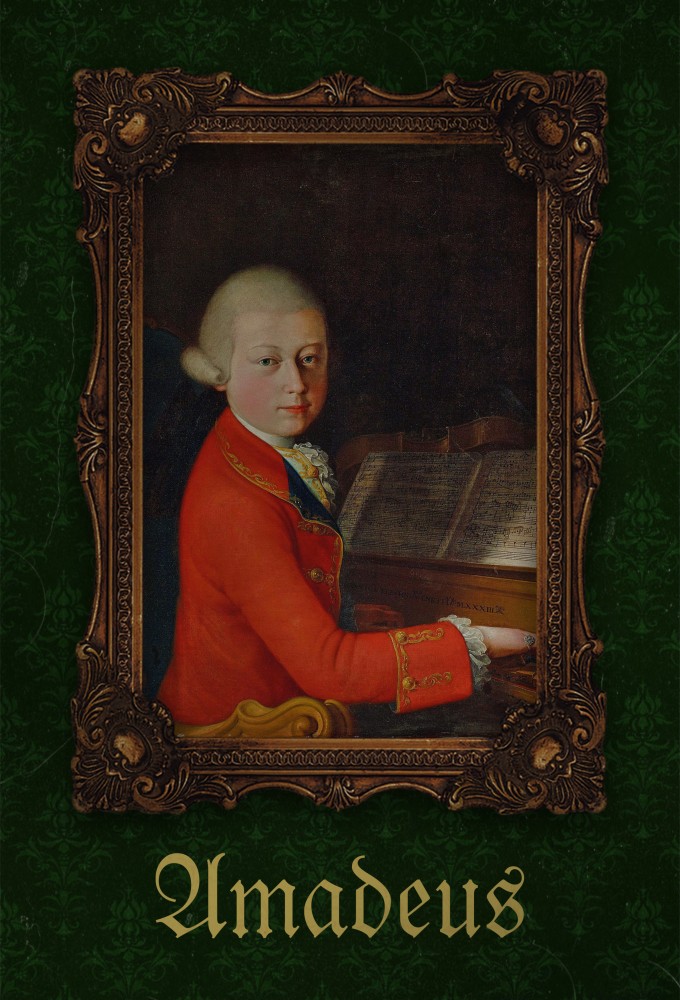
For another exuberant portrait of genius shaped by performance, rivalry and court patronage, balancing musical grandeur with a wounded, theatrical inner life.
 04
Why this pick
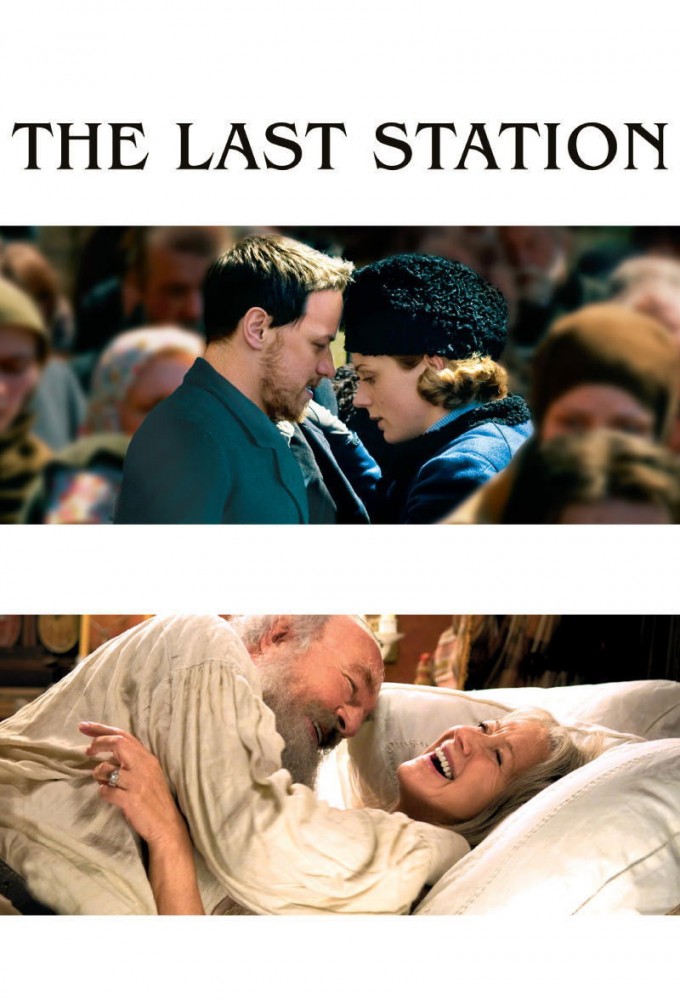
A more intimate music-centred drama, attentive to how artistic expression binds a couple while vulnerability and loss reshape their shared world.
 05
Why this pick
Though centred on a writer rather than a singer, it offers the same refined period textures and fraught collision of genius, devotion, control and legacy.
Finding the atmosphere, tension and little details that made this one stay with you.
Our curator needs a little longer. Please come back shortly.
No confident matches yet. Try our personal film finder.
01 / THE STORY
The prologue begins with Carlo Broschi, the famous castrato Farinelli, reminiscing about his childhood as a singer in the church choir. A newly castrated boy runs in and warns Carlo that his voice will result in death, then kills himself. Carlo is traumatized and refuses to sing a composition by his older brother Riccardo for his voice teacher, Nicola Porpora. He cries and runs to his father, who comforts him, but extracts a promise that he will never refuse his voice to his brother again.
Showing saved details. Some information may be out of date.
02 / FACES IN THE FRAME

Carlo Broschi (Farinelli)

Riccardo Broschi

Alexandra

George Frideric Handel