
 01
Umberto D.
Why this pick
De Sica again finds immense dignity and heartbreak in an ordinary person cornered by poverty, using patient observation and a deeply humane bond rather than melodrama.
 cinehunch
 A FILM WORTH A CLOSER LOOK
THE FEATURE PRESENTATION
IF THIS ONE STAYED WITH YOU
Keep the feeling.
SIMILAR PICKS / A PERSONAL CONNECTION
01
Why this pick
De Sica again finds immense dignity and heartbreak in an ordinary person cornered by poverty, using patient observation and a deeply humane bond rather than melodrama.
 02
Why this pick
Its neorealist intimacy and child-level perspective make family hardship feel immediate, with the same unsentimental compassion for people facing forces beyond their control.
 03
Why this pick
A raw postwar portrait of two boys whose friendship is tested by deprivation and institutions, sharing Bicycle Thieves’ street-level realism and devastating moral clarity.
 04
Why this pick
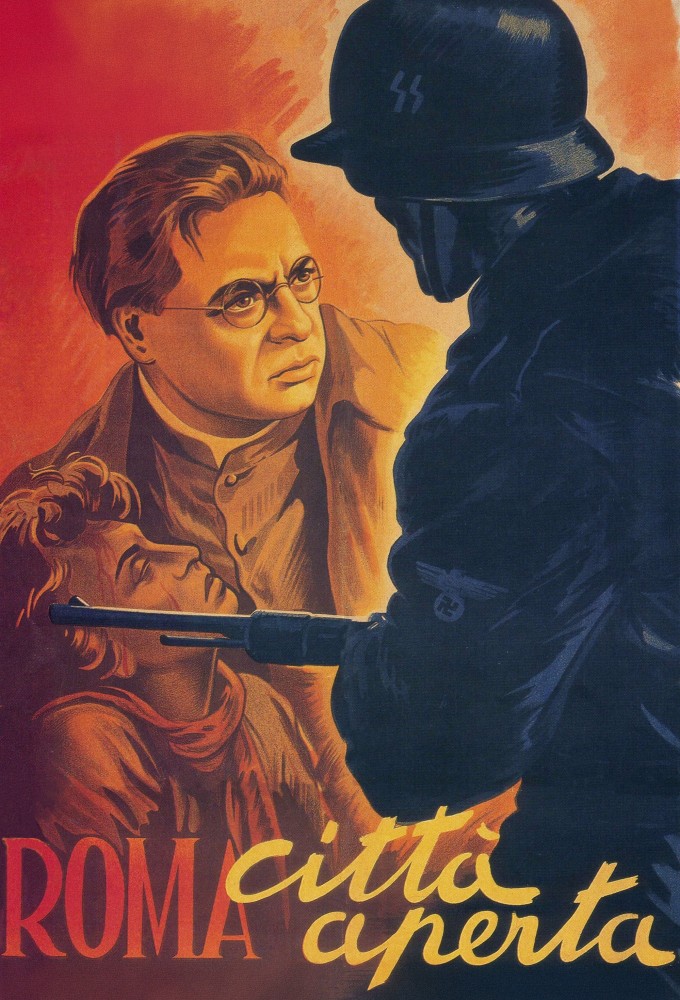
Its rough-edged Rome locations, non-glamorous faces, and urgent compassion for civilians under pressure offer a foundational neorealist companion with powerful emotional directness.
 05
Why this pick
A working-class family’s move to Milan becomes a sweeping but intensely intimate study of economic strain, brotherhood, and compromised hopes.
Finding the atmosphere, tension and little details that made this one stay with you.
Our curator needs a little longer. Please come back shortly.
No confident matches yet. Try our personal film finder.
01 / THE STORY
In the post-World War II Val Melaina neighbourhood of Rome, Antonio Ricci is desperate for work to support his wife Maria, his son Bruno and his small baby. He is offered a position posting advertising bills but tells Maria that he cannot accept because the job requires a bicycle. Maria resolutely strips the bed of her dowry bedsheetsprized possessions for a poor familyand takes them to the pawn shop, where they bring enough to redeem Antonio's pawned bicycle.
Showing saved details. Some information may be out of date.
02 / FACES IN THE FRAME

Antonio