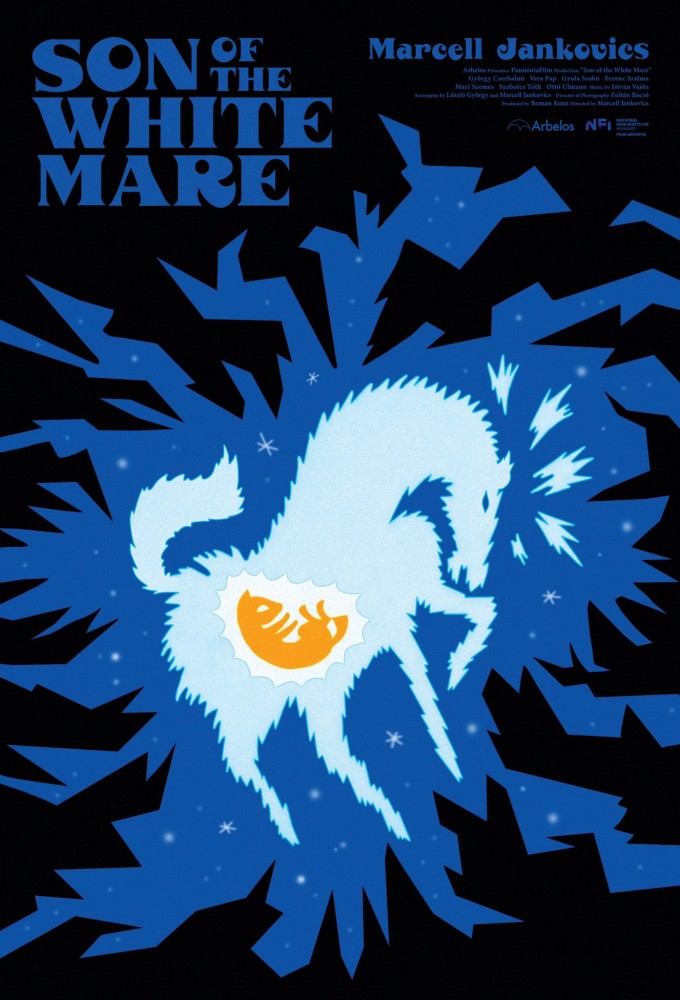
Son of the White Mare
Why this pick
Its boldly abstract, hand-painted animation turns myth, sex, violence, and cosmic struggle into a hallucinatory visual experience, closely echoing Belladonna’s fearless adult-animation sensibility.
A FILM WORTH A CLOSER LOOKTHE FEATURE PRESENTATION
IF THIS ONE STAYED WITH YOU
Keep the feeling.
SIMILAR PICKS / A PERSONAL CONNECTION
Why this pick
Its boldly abstract, hand-painted animation turns myth, sex, violence, and cosmic struggle into a hallucinatory visual experience, closely echoing Belladonna’s fearless adult-animation sensibility.
Why this pick
A woman’s confinement and attempted self-reinvention unfold through constantly mutating handmade imagery, sustaining the same unsettling fusion of feminine pain, fable, and visual metamorphosis.
Why this pick
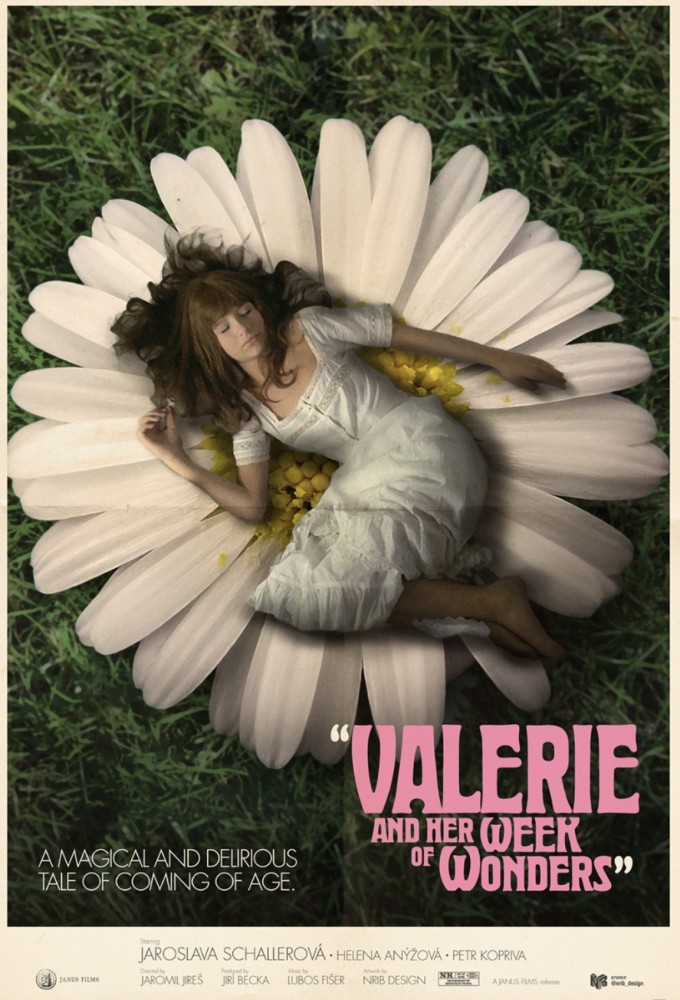
This dreamlike folk nightmare filters sexual menace, religious power, and adolescent awakening through ravishingly artificial imagery and an elusive fairy-tale logic.
Why this pick
Its nested dark fairy tales transform predation, desire, and female coming-of-age into lush, symbolic Gothic fantasy rather than straightforward horror.
Why this pick
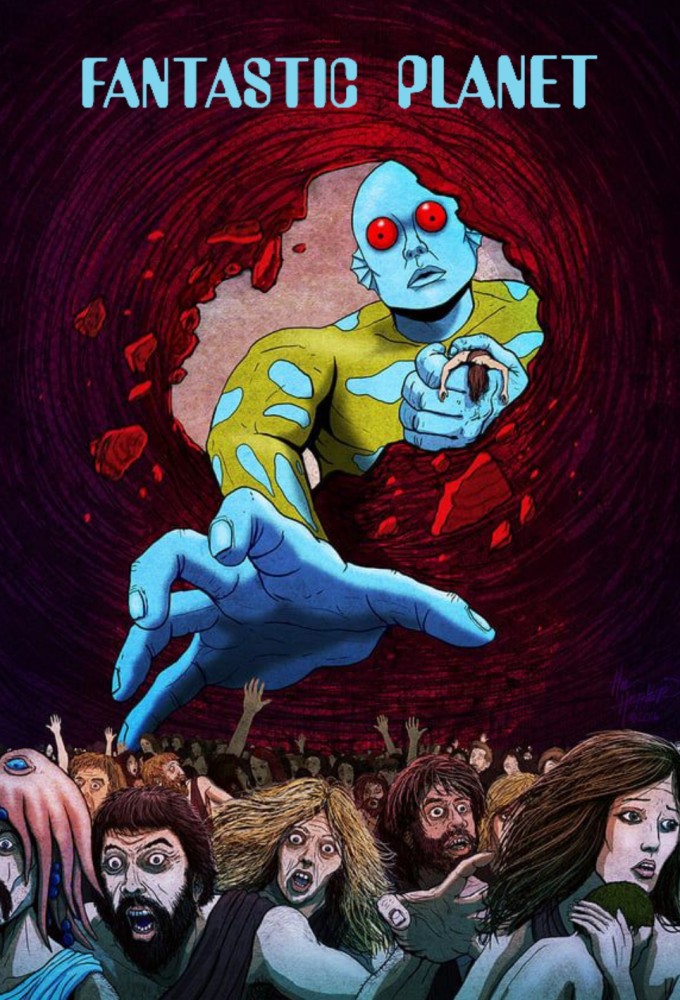
Surreal cutout animation and an eerie score create an alien, politically charged fable whose hypnotic imagery matters as much as its story.
Finding the atmosphere, tension and little details that made this one stay with you.
Our curator needs a little longer. Please come back shortly.
No confident matches yet. Try our personal film finder.
01 / THE STORY
Jeanne and Jean are happy newlyweds in a rural village in France during the Medieval Period. Their idyll is promptly shattered when Jeanne, on her wedding night, is raped in a jus primae noctis by the local baron and his courtiers. She returns to Jean terrified and in pain, and he calms her, saying, "Let us forget everything in the past". She begins to see visions of a phallic-headed spirit encouraging her to take revenge on the baron; meanwhile, the couple's fortunes rise even as famine strikes the village and the baron raises taxes to fund his war effort. Jean is made tax collector, and the baron cuts off his hand as punishment when he cannot extract enough money from the village. After another visit from the spirit, Jeanne takes out a large loan from an usurer and sets herself up in the same trade, eventually parlaying it into becoming the true power in the village.
Showing saved details. Some information may be out of date.